How to Soundproof Your Home Office in a Noisy UK Household
It usually starts with a phone call. You are midway through explaining something complicated when a door slams somewhere in the house, the dog joins in, and a van idles outside the window. Home office noise rarely has a single source, which is why one-off fixes seldom work on their own. The encouraging part is that most UK homes can be made noticeably quieter without a builder, a large budget or a week off work. What follows is a sensible order of attack, from cheap measures that deliver the biggest gains to the more involved work worth doing later.
Work out where the noise is getting in
Before buying anything, spend ten minutes listening. Sound behaves a little like water: it escapes and enters through gaps far more readily than through solid walls. A few millimetres under a door can undo the benefit of a thick wall beside it. Walk around the room while the noise is happening and put your hand near the usual suspects — the gap under the door, the keyhole, a letterbox, trickle vents, pipework where it disappears into the floor, an unused chimney, a loft hatch that does not sit flush.
It also helps to separate the two types of noise you are dealing with. Airborne noise — speech, televisions, traffic — is best tackled with mass and airtight seals. Impact noise — footsteps, doors closing, chairs scraping — travels through the structure itself, which is why damping and carpet underlay matter more than extra layers on the wall. Diagnose first, then spend.
The cheap wins: seal every gap you can find
This is the stage where a small amount of money does the most work. A Saturday morning with a screwdriver and a roll of self-adhesive seal will beat most decorative purchases.
- Run foam or rubber seal around the whole door frame — both sides and the top, not just the hinge side.
- Fit a brush or rubber seal to the bottom of the door, or a drop-down seal if the gap is deep.
- Replace a rattling letterbox with one that has a brush flap, and cover the keyhole.
- Seal along skirting boards and around pipes with acoustic sealant, especially on a shared wall.
- Add foam gaskets behind socket and switch plates on party walls. The gain is small, but it is cheap.
One caution: do not seal up ventilation permanently. Rooms need airflow, and any gas appliance needs a safe supply of air. If in doubt about ventilation, seek advice from a qualified heating engineer before blocking anything up.
Doors and windows do most of the heavy lifting
A hollow internal door is close to useless as a barrier. If you can replace it, a solid-core door is one of the best upgrades available, and it also improves the feel of the room. Mass alone will not help if the gaps remain, so seal the new door properly too.
If there is space, a second door creates a small lobby effect and works considerably better than either door alone. Where there is no space, a heavy lined curtain across the doorway takes the edge off higher frequencies — speech and clatter — though it will not stop bass.
For windows, the cheapest effective option is usually secondary glazing: a separate pane, often acrylic, fitted inside the existing frame. It is far less disruptive than replacing windows, and removable panels held on magnetic strip suit rented flats where drilling is not an option. Thick curtains with a proper lining, drawn close to the wall, add a little more. If you live in a flat or rented home, check your tenancy or lease before making changes, and remember that altering windows may need permission.
What acoustic panels actually do
Acoustic panels absorb sound that is already inside the room. They reduce echo, soften keyboard clatter and make your voice sound better on calls. They will not stop next door's bass, and it is worth being clear about that before spending money.
For a home office used for video calls, the useful places are the wall behind you and the ceiling above the desk, plus the first reflection point in front of you. Two to four panels of dense mineral wool, at least 50mm thick and mounted with a small air gap behind, will outperform a wall of thin foam tiles. Avoid covering every surface, though — a completely dead room is tiring to work in and can make calls sound odd.
Free alternatives do a reasonable job: a filled bookcase, a fabric-covered pinboard, heavy curtains, a rug. If you are buying panels, look for published absorption data rather than marketing claims, and buy fewer, better panels.
Rearrange the room before you renovate
Layout changes cost nothing and are often overlooked.
- Move the desk away from the shared wall. Even half a metre helps reduce the sound that reaches you directly.
- Do not sit in a corner where two walls meet. Sound gathers there, and you hear more of everything.
- Put the tallest bookcase you own against the party wall, filled, with a small gap behind it if you can manage it.
- Sit facing the door rather than with your back to it. Noise you can see coming is easier to ignore than noise you cannot.
- Add a rug and underlay under the desk, particularly in an upstairs room or above a neighbour's ceiling.
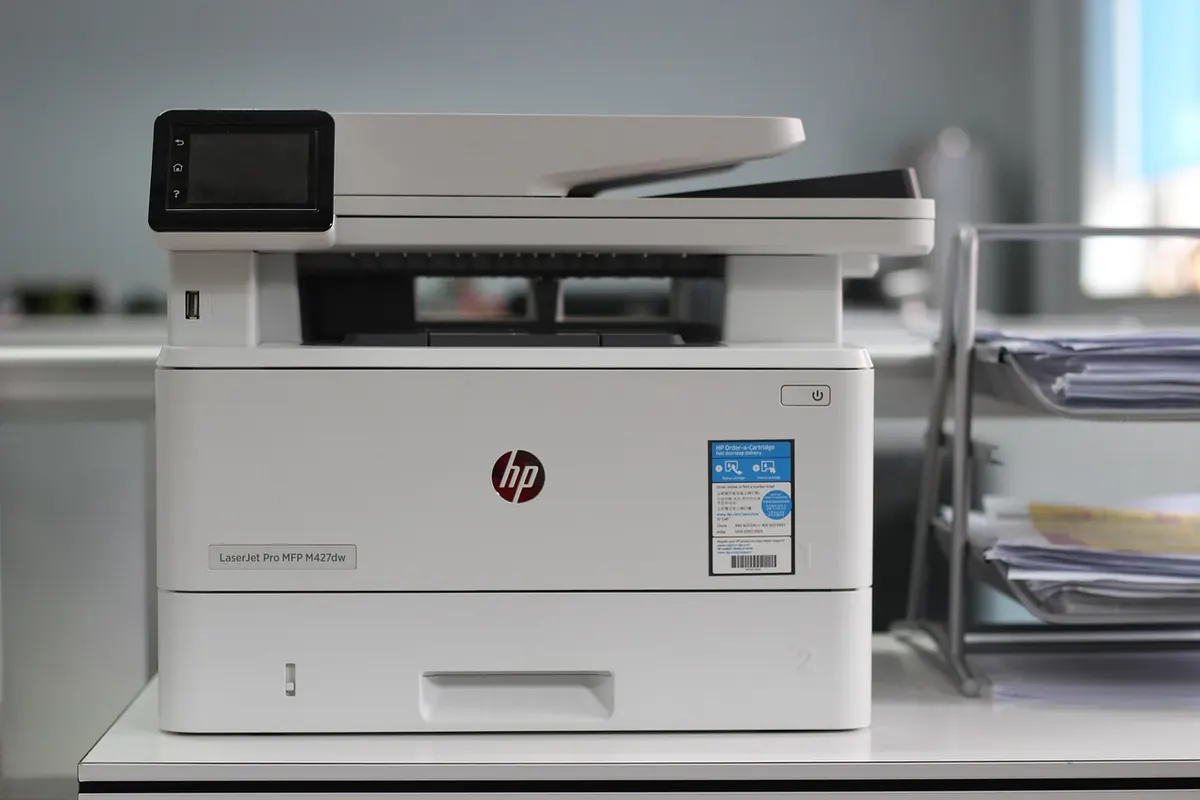
- Check your own equipment. Hollow desks and cheap drawers resonate; a mat under a printer or a monitor stand can quieten a surprising amount of hum.
Masking beats blocking, and household rules help too
Once you have dealt with the obvious gaps, masking is often the most practical next step. Continuous sound is easier to ignore than intermittent speech, which is why a desk fan, a white noise app or brown noise played at low volume can make a difficult room workable. Closed-back over-ear headphones give useful passive isolation, and a microphone with good noise rejection does more for the people on the call than for you.
Within the house, a few clear agreements reduce friction: set call times on the fridge, use a simple door sign, ask for headphones after a certain hour, and move the television off the shared wall if you can. If a neighbour is the source, raise it once, politely, with a specific request rather than a general complaint — it tends to land better. If noise is disrupting your sleep or causing ongoing stress, it is worth speaking to your GP.
A sensible order of work
Start with seals, gaps, a door brush and a rug. Then add mass and rearrangement: a solid door if the budget allows, a lined curtain, a bookcase on the shared wall, and the desk moved off it. Only then look at acoustic panels, secondary glazing and heavier building work.
Keep a short note of what you changed and when, so you can tell what actually made a difference rather than guessing. For flats, listed buildings, party wall work or anything structural, take proper advice from your landlord, managing agent or a qualified acoustic consultant before you start — it is cheaper than undoing it later.
Photo: markusspiske / Pixabay